

A Weekend in the Italian Countryside Without a Car: Rail-and-Bus Itinerary
The 7:12 regional train out of the city is half empty. Twenty minutes later the warehouses are gone, replaced by allotments, then vines, then a line of cypresses on a ridge that would be a postcard if it weren't so ordinary. Nobody in the carriage is a tourist. The woman opposite is going to work; a boy two rows down is going to school with a trumpet case wedged between his knees.
This is the Italy most visitors only see through a car window, and you can reach it without driving. Not everywhere, and not entirely on impulse — rural bus services reward a bit of homework — but a weekend is genuinely enough for a market town, a hill village, a long lunch and a walk between two small stations. Here is how to put that weekend together.
Start With the Rail Line, Not the Village
The usual mistake is to choose a village first and then hunt for transport. Do it the other way round: find a regional line that runs along a valley, and let the villages arrange themselves around the stations.
Umbria is a good test case. The line that crosses the valley floor between Terontola and Foligno touches small stations while the interesting towns sit on the slopes above, with local buses climbing from the station squares. Parts of Tuscany, Le Marche, Piedmont and Lazio work the same way: the railway follows the flat land and the history sits on the hill, ten minutes away by bus.
Three things are worth checking before you commit to a line. How many trains stop there in each direction — four or five a day is comfortable, one or two is not. Whether the station town has a bar, a bakery and somewhere to leave a bag for a few hours. And whether the local buses run more than once in the morning and once in the afternoon. A useful rule of thumb: the smaller the station, the more you should treat the bus as the main event rather than the afterthought.
Build the Weekend in Three Layers
Almost every good car-free weekend comes down to the same short sequence.
- Pick a hub on the line. A market town with a station and buses radiating outward. Sleep there both nights, so your bag never travels further than the walk from the platform to the door.
- Find the market day. Weekly markets rotate through the week, town by town. A Saturday market and a Tuesday market are different worlds: the first is busy with weekend shoppers, the second is where the surrounding farms actually do business. If you have flexibility, move the dates rather than the destination.
- Check the last bus back before you book the room. Not the first bus, not the middle one. The last one. If it leaves at 17:40, your whole day is built around 17:40, and knowing that in advance turns a possible stranding into a pleasant deadline.
A village with two buses a day is not a problem. It is a schedule. Go up on the morning bus, walk the walls, eat properly, and come down on the afternoon one. The constraint is what makes the day feel shaped instead of scattered.
A Sample Two-Day Itinerary
Day one: arrive, settle, wander
Take a mid-morning train so you see the approach in daylight. Drop the bag, find the main square, and do very little: a coffee standing at the bar, the parish church if it is open, the older quarter behind the market hall. Late afternoon is for the passeggiata, which is not a tourist activity but simply what the town does at that hour, and which happens to be the best free entertainment available. Eat dinner where the menu is short and in Italian only.
Day two: up by bus, down on foot
Take the earliest sensible bus to the hill village — the one that arrives before the day-trippers. Walk the walls, buy something from a shop rather than a souvenir stand, and have lunch. Then walk down instead of riding back. Many hill towns still have a mule track or a white gravel road that descends to the valley floor in under an hour, joining the road near the lower station. Ask at the bar whether the path is clear and whether it is waymarked; locals will tell you plainly if it is not. A downhill walk to a station, with the train timetable in your pocket, is one of the quiet pleasures of travelling this way.
Let the Market Set the Schedule
If your weekend includes a market, plan to be there by 8:30. Not because it fills up with tourists — usually it fills up with vans — but because the best of it is over by midday. Cheese, cured meat, vegetables in season, a stall selling work trousers and another selling nothing but brooms: this is the weekly business of the town, and it moves fast.
Two practical points. First, do not schedule a long bus journey on market morning; the bus you want may be the one the whole town is using. Second, bring cash in small notes. Card readers are more common than they were, but a stallholder with a queue of ten people does not want to discuss it.
Small Frictions: Tickets, Timetables and What to Carry
Tickets
Paper train tickets still need stamping in the machine on the platform before you board; digital ones usually do not, but read the wording on the one you have been sent. Bus tickets are often sold at a tabaccheria, a newsstand or a bar rather than on board, so buy your return ticket when you arrive in the morning instead of hunting for one at 17:30. Several regions now have their own transport app, which is worth installing before you leave, even if only to confirm what the printed timetable told you.
What to carry
- A screenshot of every timetable that matters, saved offline.
- Coins and small notes for tickets, coffees and market stalls.
- A light rain jacket — hill towns get weather the valley does not.
- Comfortable shoes for the descent, not sandals.
- A small daypack so you can leave the main bag at the hotel.
- The phone number of a local taxi firm, written down rather than saved.
When a connection fails
It happens: a delayed regional train, a bus that did not come. Two rules keep it from ruining the day. Never book a connection tighter than an hour if you can avoid it, and never treat the last bus as a target to be reached at the last minute. If you do get stuck, the answer is almost always the same: a taxi to the nearest station town, paid without much enthusiasm, and a story afterwards. This is also why sleeping near the station is worth more than sleeping in the prettiest room in town.
Practical Notes Before You Go
Check timetables on the operator's own website a week ahead and again the day before, because rural services change with the season and with school terms. Look specifically at Sundays and public holidays, when some routes simply stop. Strikes, when they are called, are announced in advance and usually listed by the operator; if one is scheduled for your travel day, build in slack or shift the trip. And keep one anchor reservation — a room, a lunch — rather than a minute-by-minute plan, because the whole appeal of this kind of travel is that a bus arriving late gives you another twenty minutes in the square.
You will not see everything. You will see a market, a hill town, a path down through the olives, and the same faces on the evening train. That is a good weekend, and it fits in a small bag.
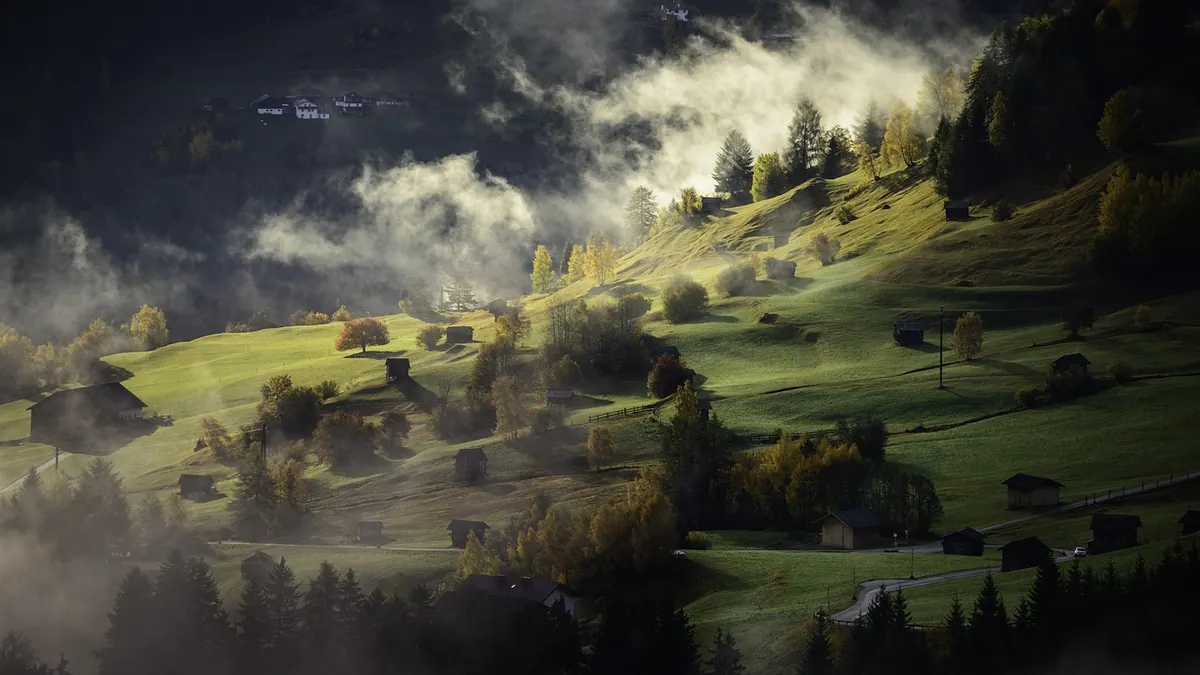
Photo: jpeter2 / Pixabay