


Farmhouse vs. Rustic vs. Cottage Style: What’s the Real Difference?
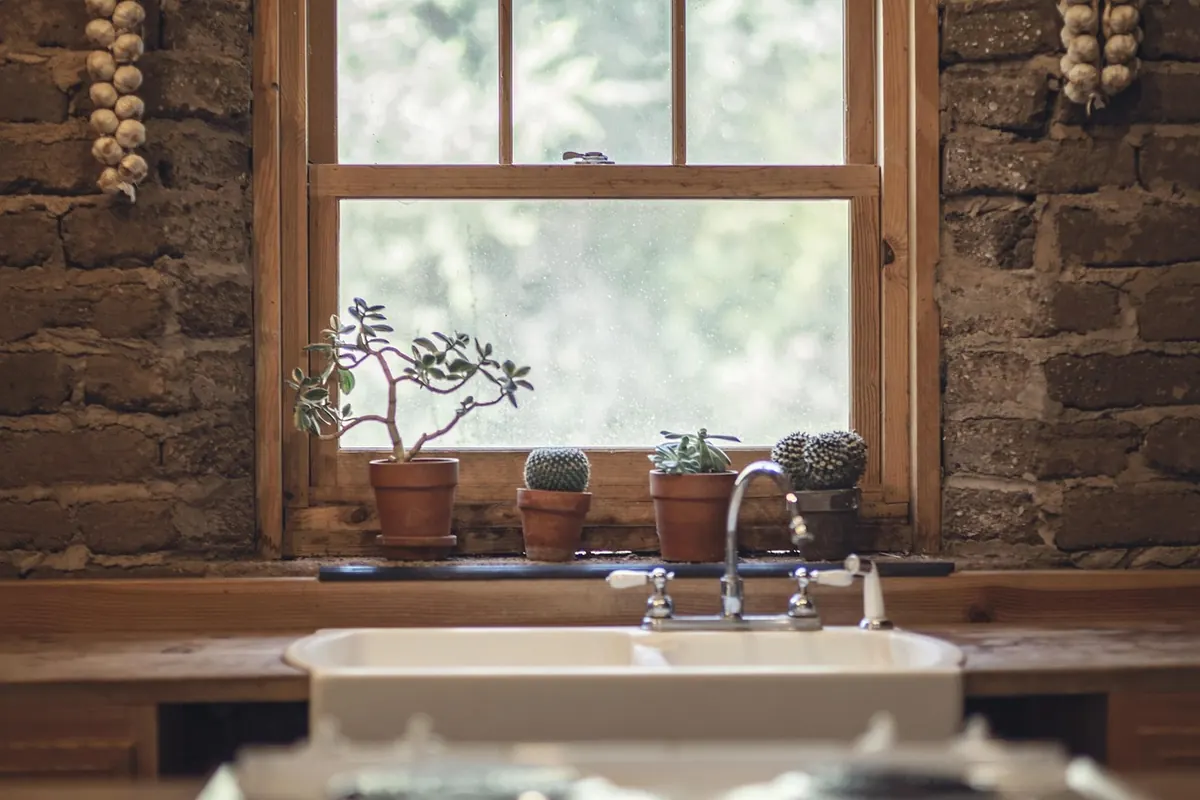
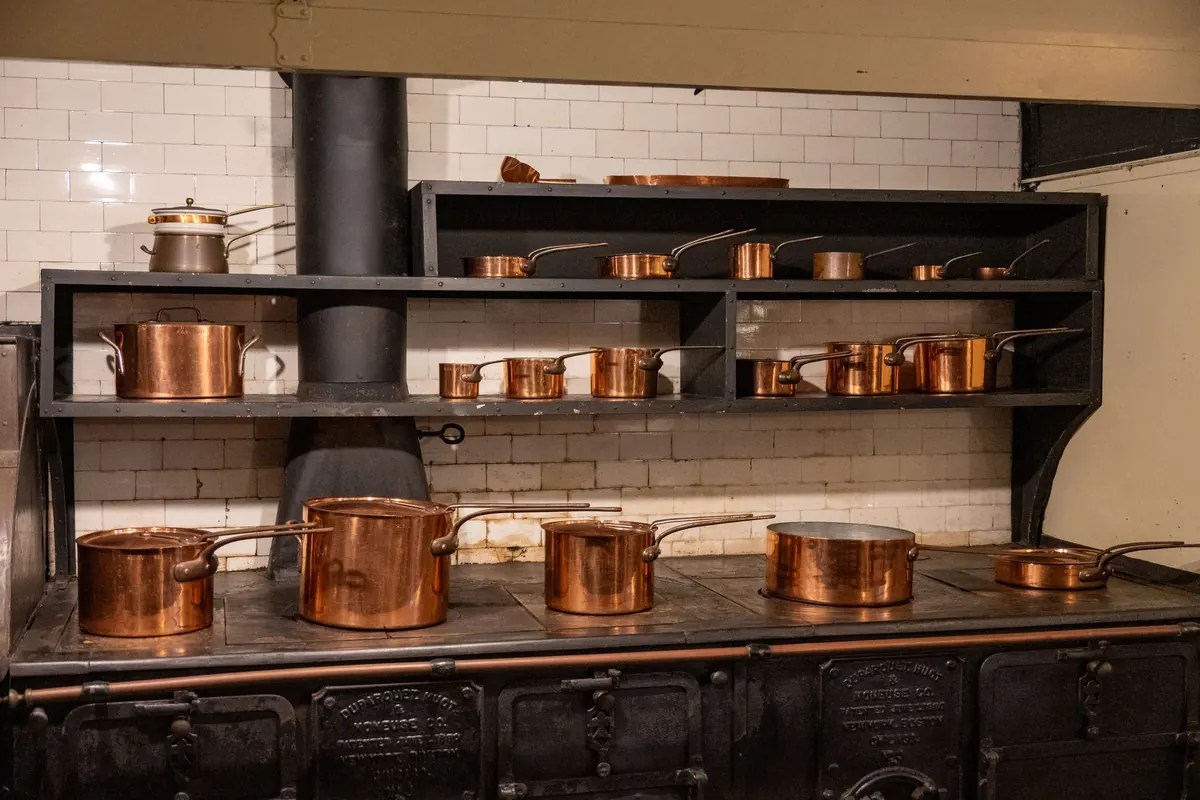
Three rooms can all call themselves country and feel completely different. One is calm and whitewashed, with an apron sink and a long scrubbed table. The next is dark and heavy, all beams, stone and leather. The third is small and pretty, with floral cushions on a painted bench and a shelf of mismatched jugs. All three are country. Only one is farmhouse, one is rustic, one is cottage.
The labels get used interchangeably, which is a shame, because they ask different things of a room. Knowing which one you are actually drawn to makes decisions easier — what to do with the floor, how many colours a wall can take, whether that enormous dresser will work or swallow the space. Below is a plain comparison: materials, colours, proportions, and the small details that give each style away.
The short answer
Farmhouse is country style that has been tidied up for practicality: painted wood, wide boards, hard-wearing surfaces, a strong sense of function. Rustic is country style that keeps the raw edge: exposed timber, stone, iron, leather, and a willingness to let materials look old. Cottage is country style on a small scale: soft textiles, pattern, painted furniture, layers, and a certain comfortable busyness.
Farmhouse is clean, rustic is textured, cottage is soft. Most real homes are a blend, and that is fine — but a blend works only when you know which note is leading.
Farmhouse: built for work, finished for company
Farmhouse style grew out of rooms that had to survive mud, weather and a lot of people. That history shows in its choices. Surfaces are meant to be wiped, sat on, and used hard.
Materials
Painted timber is the backbone: shaker-style cabinet doors, beadboard panelling, tongue-and-groove boards, a plain plank floor. Add honest metal — black iron handles, a gooseneck tap, enamelware, a steel-framed chair — plus stone or quartz worktops that don't flinch. Wood is usually painted rather than oiled, and the paint is usually pale.
Colour
White, soft grey, putty, sage, a muted navy. The palette is narrow and repeated from room to room, and there is almost always a dark accent — a black window frame, a charcoal range, iron brackets — to stop everything floating away. Colour comes from what is on the table, not from the walls.
Proportions
Farmhouse rooms are generous but not heavy. Fewer, larger pieces, spaced out, with clear floor showing. A long table with two benches. One big cupboard rather than four small ones. Symmetry is common: matched windows, a centred range, a pair of sconces. The overall impression is order, not clutter.
If a room looks like it could be hosed down and still look good, you are probably in farmhouse territory.
Rustic: the grain, the knot, the wear
Rustic style does not hide what things are made of. If a beam is oak, it looks like oak. If a wall is stone, the stone is on show. The aim is not shabbiness but honesty — materials with weight and a visible history.
Materials
Reclaimed or rough-sawn timber, exposed beams, wide floorboards with knots and colour variation, stone, lime plaster, terracotta, wrought iron, leather, wool, linen in its natural oatmeal tone. Wood is oiled, waxed or left bare and allowed to darken. Finishes are matte. Nothing is lacquered, and gloss is rare.
Colour
Deeper and earthier than farmhouse: walnut and tobacco browns, forest and olive green, rust, ochre, clay, charcoal. Walls are often plaster-toned rather than painted flat. Bright colour tends to arrive through textiles and pottery, not paint.
Proportions
Heavy and low. Thick tabletops, chunky legs, deep sofas, big stoneware pots. Rustic rooms can take one oversized piece — a dresser, a bench, a stone sink — because everything around it is sturdy enough to hold its own. Asymmetry is welcome: a beam that runs at an odd angle, a wall that isn't quite straight. Perfection is not the point.
Cottage: small rooms, soft edges, a lot of pattern
Cottage style assumes limited space and makes the most of it. It is the most decorative of the three and the easiest to overdo.
Materials
Painted furniture with visible brush marks, whitewashed or limed wood, wicker, rattan, cotton, linen, wool blankets, ceramic and enamel. Fabric does a lot of work here: curtains, slipcovers, loose covers on chairs, a skirted sink, cushions. Surfaces are softer than in farmhouse style and more painted than in rustic.
Colour
Faded and gentle: chalk white, duck-egg blue, soft green, rose, lavender, buttermilk. Pattern carries the colour — small florals, gingham, stripes, toile, ditsy prints — often several at once. The trick is that they share a palette, so the mix reads as collected rather than chaotic.
Proportions
Small and layered. Low ceilings, modest furniture, pieces scaled to the room. Open shelves stacked with crockery, hooks by the door, a bench under the window, a chair pulled into a corner. Nothing matches exactly, and that is deliberate. Cottage rooms feel accumulated over time, and they should still leave you a clear path to the kettle.
The three telltale differences
When you are standing in a room trying to work out what it is, look at these before anything else.
- Materials: farmhouse paints its wood, rustic leaves it raw, cottage covers it in fabric.
- Colour: farmhouse is pale with a dark accent, rustic is deep and earthy, cottage is faded with several patterns.
- Proportions: farmhouse is few and large, rustic is heavy and low, cottage is small and layered.
- Lighting: a gooseneck or schoolhouse pendant says farmhouse, a black iron lantern or a bare bulb on a cord says rustic, a pleated fabric shade or a painted ceramic lamp base says cottage.
- Flooring: painted boards or wide pale planks for farmhouse, oiled boards with knots and visible grain for rustic, painted boards with a worn rug or two for cottage.
- Attitude to wear: farmhouse tolerates it, rustic welcomes it, cottage hides it under a throw.
Where they overlap, and how to mix them
These styles share a common ancestor, which is why they slide into each other so easily. A painted plank floor belongs to farmhouse and cottage both. A scrubbed pine table sits comfortably in all three. Linen is everywhere. The conflicts come from finish and scale, not from the pieces themselves.
Two rules keep a mix from looking confused. First, choose a lead style and let it hold roughly three-quarters of the room — walls, floor, and the biggest piece of furniture. Second, keep one material constant across the room, such as black iron hardware or natural oak, so the eye has something to follow.
Some combinations work better than others. Farmhouse and rustic make a natural pair: pale painted cabinetry with a rough beam ceiling and a stone floor reads as a converted barn. Cottage and rustic also get along, provided the rustic elements stay modest — a weathered bench under a floral cushion, wicker over heavy oak. Farmhouse and cottage need more care, because both lean tidy but in opposite directions: keep the pattern to cushions and curtains, and let the furniture stay plain.
A simple way to choose
Forget the labels for a moment and describe the room you want in one sentence. If the words are calm, bright and practical, you are heading towards farmhouse. If they are warm, textured and a bit weathered, rustic is your direction. If they are soft, charming and full of small things you love, that is cottage.
Then build from the floor up. Floor and walls set the style; furniture, lighting and textiles refine it. Before buying anything, put samples together in the actual light of the room — a paint chip, a floorboard offcut, a square of fabric — because a white that looks chalky in the shop can turn cold against a north-facing wall.
Finally, leave space. The most common mistake in every one of these styles is filling the room until the character has nowhere to sit. Country rooms breathe because something is missing from them: an empty stretch of wall, a bare board floor, a table with nothing on it. Choose your style, then resist the last three purchases. That restraint is what separates a room that looks styled from one that simply looks lived in.
Photo: TheVirtualDenise / Pixabay